Moving Company Marysville WA: What “Licensed and Insured” Actually Means
People toss around licensed and insured like a magic password on moving trucks and websites. In Marysville and the greater Snohomish County area, those words determine who is allowed to handle your belongings, who pays if something goes wrong, and how much recourse you have when schedules or property get tangled up. After years on the operations side, I can tell you the fine print matters. A sticker on a cab door does not guarantee compliance, and not all coverage types protect you the way you think.
This guide breaks down what licensed and insured really means for local moves in Washington, how interstate rules differ, and how to verify it quickly before you book. I will also share real examples from the field, including where the gaps show up: apartment complexes with strict COI requirements, rainy-day moves with slippery stairs, and claims that hinge on whether a company has workers’ comp.
The license alphabet soup, translated
Most Marysville moves are intrastate, meaning pickup and delivery both happen inside Washington. Those jobs fall under the Washington Utilities and Transportation Commission, usually shortened to WUTC or UTC. The UTC issues permits to household goods carriers and requires them to follow filed tariffs, keep specific insurance on file, and meet safety and consumer protection standards. If a mover operates only locally, you should see a valid WUTC permit number.
If you are moving from Marysville to another state, that is interstate. Interstate carriers need active U.S. Department of Transportation and Federal Motor Carrier Safety Administration authority. You will see a USDOT number and often an MC number. The feds track safety ratings, insurance filings, complaints, and out-of-service orders. For a long-distance move, start your vetting there.
Where companies get cute is when they tout one credential and skip another. A truck can display a USDOT number for identification purposes, but that does not mean it has interstate household goods authority. Likewise, a local company may have a city business license but no UTC permit. Ask for the specific authority that applies to your move type, then verify. It takes two minutes and can prevent a long headache.
Insurance that actually protects you vs insurance that only protects a truck
Insurance gets muddier than licensing because the word insured covers different policies that do different jobs. At minimum for intrastate moves in Washington, the UTC requires motor vehicle liability, cargo insurance, and either workers’ compensation or an approved alternative. That baseline is meant to protect the public, shippers, and employees.
Here is how the coverage buckets work in practice:
- Auto liability covers bodily injury and property damage to others caused by the truck. If a moving truck grazes a parked car on State Avenue, the auto policy pays the other driver. It does not pay for your scratched dresser. Cargo insurance covers loss or damage to goods while they are in the mover’s care. Policies have limits and exclusions, and that is where most friction happens. Flooding, mold, and pre-existing damage usually sit on the exclusion list. Cargo coverage is not the same thing as valuation protection, which I will explain shortly. Workers’ compensation covers injuries to the crew. If a mover slips on your wet steps and breaks an ankle, workers’ comp steps in, not your homeowner’s policy. When a mover does not carry this, homeowners can get dragged into claims or lawsuits if an injury occurs on their property. General liability covers broader third-party property damage that is not tied to the truck. A common example is damage to building common areas. If a mover gouges a lobby wall at a Marysville apartment complex, this policy may respond, subject to the terms.
A company can say insured if it has an active auto policy and nothing else. From a legal standpoint, that may satisfy a basic motor carrier requirement, but it does not fully protect you. When you vet, ask for a certificate of insurance that lists auto liability, cargo, general liability, and workers’ comp. If you live in a condo or a building with strict rules, your HOA or property manager may require a COI with them named as certificate holder and additional insured. That is normal. The mover’s broker can issue it, usually same day.
Valuation, not insurance, determines what you get for damaged goods
Most customers confuse valuation with insurance because movers present it during booking. Valuation is a federally and state-recognized framework that sets the mover’s liability for your goods. It is not a traditional insurance policy. You choose between options and the mover’s tariff governs how claims are handled.
Two terms matter:
- Released value, also called basic valuation, is the default. Under federal rules it pays 60 cents per pound per item for interstate. Washington intrastate moves use a similar construct under the UTC tariff. If your 10-pound TV gets cracked, released value pays 6 dollars. That is not a typo. Full value protection raises the mover’s liability to repair, replace with like kind and quality, or pay the current market replacement value, subject to a limit and sometimes a deductible. It costs more, either as a percentage of shipment value or a flat rate. It also requires you to declare a shipment value. Understate the value and you can be co-insured, which reduces payouts.
Here is where this intersects with insurance: cargo insurance reimburses the mover for covered losses. Valuation governs what the mover owes you. One does not replace the other. A properly insured and licensed mover will still ask you to choose a valuation option. If a company only offers the 60-cents-per-pound default and dodges questions about full value protection, consider that a red flag.
How to verify a mover in five minutes
You do not need an industry background to run the basics. Keep it simple and focus on the two checks that matter for your move type.
For Marysville to Marysville or anywhere within Washington, search the UTC carrier lookup. Confirm the company name matches the permit name, note the permit status shows active, and check that cargo insurance and auto liability are current. Look at the complaint history for patterns. One or two complaints over years can mean little. A cluster about claims handling or surprise charges deserves attention.
For interstate moves, search the FMCSA Safety and Fitness Electronic Records system by USDOT or MC number. Confirm authority status shows active, insurance filings are current, and the company is authorized for household goods. Click through the safety data, paying attention to out-of-service orders or serious violations.
If a building requires a COI, ask for one early. Professional movers are used to this. Unprepared companies stall here or send blank templates. That tells you what you need to know.
Marysville specific realities that make licensing and insurance matter more
Snohomish County has a mix of property types: split-level homes with steep driveways, newer apartment complexes near Grove Street with tight loading windows, and older buildings whose stair treads turn slick with a light rain. The conditions raise the risk profile of a simple local move.
Take elevator reservations. Many apartment and condo managers in the North Seattle metro area require a COI on file before they will reserve a freight elevator. If your mover cannot deliver that, your time window disappears and you end up paying extra hours waiting for access. On the other end, if a mover dings a fire door or scrapes a freshly painted hallway, the property manager will come after you unless your mover provides proof of coverage.
The weather adds another layer. Rain starts and stops without much warning. Wet cardboard softens, floors get slippery, and ramps become slick under boot treads. Companies that carry proper workers’ comp and use correct floor protection methods view this as a safety problem to engineer around. They do not push you to sign away liability because their policy is missing.
What “licensed and insured” looks like on moving day
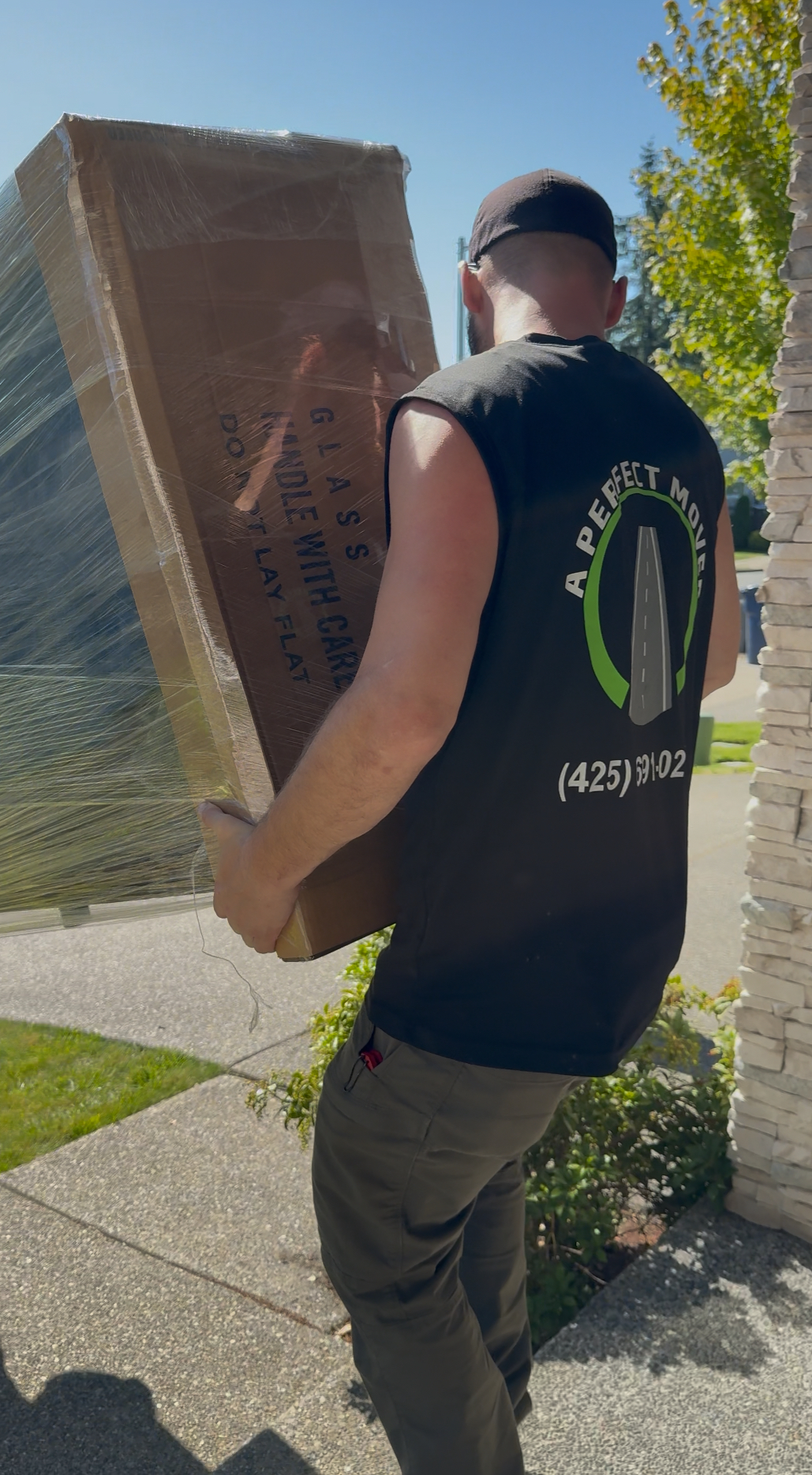
On the first mile, a properly licensed and insured company feels organized. The crew shows up in identified trucks with a UTC permit or USDOT number clearly displayed. The lead walks you through a bill of lading that references the company’s tariff, confirms the valuation option you chose, and lists starting inventory on high-value items. Crews lay down neoprene or ram board on hardwoods, pad and stretch wrap upholstered furniture, and shrink-wrap mattresses to avoid road grime or moisture. You will notice they photograph pre-existing scratches before moving pieces like dining tables or dressers. That documentation protects both sides.
On the back end, the same company is meticulous with parking, hallway protection, and communicating with building management. If the building wants a certificate showing a 2 million general liability aggregate and workers’ comp, the company has it on file. Claims, if any, are handled through a defined process within a timeline laid out in the tariff. You send an email with photos and an itemized list, the company acknowledges receipt, and you get a decision or a repair scheduled within the claim window. No ghosting, no vanishing dispatch numbers.
Why some quotes are mysteriously cheap
Unlicensed or underinsured operators cut rates because their costs are lower. They skip UTC permits, buy minimal auto policies, and use labor paid off the books. On paper, that can save you 15 to 30 percent on a day rate. In reality, it shifts risk to you. If a worker is injured at your house, if a stair rail breaks, or if a TV goes missing, you are suddenly arguing with a contractor who has no carrier filings and no cargo coverage. You can take them to small claims court, but collecting is another story. That bargain rate turns expensive fast.
Not every low quote is dirty. Seasonal demand swings in Marysville are real. A Tuesday in early November looks different than a Saturday in late June. Some legitimate companies discount midweek or off-season moves. The tell is documentation. If a mover hesitates to provide its permit number or a COI, or if the name on the permit does not match the truck decals and the contract, stop and ask why.
The valuation choice you actually control
If you want predictability, choose full value protection and declare a realistic shipment value. For a typical two-bedroom apartment, people often underestimate. A reasonable range might be 25,000 to 45,000 depending on furniture quality and electronics. Set a deductible you are comfortable with. The cost of full value protection varies, but as a rule of thumb it sits around 1 to 2 percent of the declared value for a local move under many tariffs. Ask your mover to explain co-insurance and how they handle sets. With dishware or a bedroom set, does the claim treat it as a single item or separate pieces? Clarity here avoids surprises.
Released value has a role. If you are moving a student’s first apartment with mostly IKEA furniture and a few hundred dollars in electronics, paying for full value protection might not pencil out. Just be honest about the trade-off. A 60-pound media console valued at 90 dollars on released value is almost never repairable for that amount.
A Perfect Mover Moving and Storage Service: how the paperwork shows up in the field
On several Marysville jobs with A Perfect Mover Moving and Storage Service, the difference has been in the rhythm of the crew lead’s walkthrough. Before the first dolly leaves the truck, the lead confirms the valuation, points to the COI on their clipboard for the building office if needed, and asks about special items: TVs without boxes, glass tops, and upholstered pieces that need extra rain protection. That last point matters in western Washington. When a squall line rolls through, the crew switches to door-to-truck tarp staging or runs a runner system to keep footpaths dry. Those steps are routine for pros, and they exist because claims and injuries cost everyone time and money.
One Marysville condo required a specific additional insured wording for the HOA. A Perfect Mover Moving and Storage Service had their broker reissue the COI with the exact phrase that afternoon. That saved a move window that would have otherwise been lost. Without a proper insurance backbone, you do not get that responsiveness. You get a stall and a reschedule fee.
The quiet protection of workers’ comp
Homeowners rarely ask about workers’ comp, yet it is the one policy that shields you from the most expensive kind of risk. Think about a wet March morning on a sloped driveway in East Marysville. A mover carries a sectional with a partner, slips on a wet pine needle, and lands badly. With workers’ comp, the injury, medical care, and lost wages are handled by the mover’s policy. Without it, the mover might try to file a claim against your homeowner’s insurance or pursue you directly. No one plans for this. That is why you ask the question early: Do you carry workers’ compensation in Washington, and can your COI show it?
Building requirements: COIs, move-in windows, and elevator pads
Property managers in Snohomish County have seen every flavor of moving-day mishap. The better ones prevent problems with rules. Expect at least one of these:
- Certificate of insurance naming the building or HOA as certificate holder and additional insured Proof of workers’ compensation for all labor entering the property Reserved move-in window with a strict start and end time Elevator pads and hallway protection, sometimes supplied by the mover Parking plan that keeps fire lanes and loading zones clear
A licensed and insured mover will handle these calmly. For a tight schedule, they will suggest a weekday move when elevator reservations are easier. If your building requires a 2-hour window, they will build a realistic crew size so the job fits. This is where the phrase Local Movers in Marysville: How to Choose the Right Crew Size for Your Home stops being a blog headline and becomes a practical decision. A one-bedroom on the third floor with a long carry often runs faster with a three-person crew than a two-person team, even if the hourly rate is higher. The right size keeps you inside your move-in window and reduces overtime charges.
Hard-earned advice on claims and documentation
No one loves paperwork on moving day, but a few photos and notes can simplify any later claim. Before movers arrive, take timestamped photos of high-value pieces and any pre-existing blemishes. Photograph the back of TVs to capture model numbers and the condition of the ports. Keep serial numbers for laptops and game consoles in your phone. If something happens, you will have a clean before-and-after record.
On the mover’s side, expect a descriptive inventory for long-distance moves and targeted notations for local. When a crew from A Perfect Mover Moving and Storage Service packed a garage in Marysville recently, they labeled small hardware bags by room and furniture piece, then taped the bags to the inside of the dresser or bed frame. Box labels matched a room map taped near the front door. That is not about branding. It is about preventing loss that valuation and cargo insurance will never make painless.
Rain and floor protection, the northwest way
Moving in western Washington means planning for rain as the default. Pros carry neoprene or heavy runners for hard floors, corrugated plastic or ram board for stairs and entry thresholds, and clean moving blankets plus stretch wrap for upholstered furniture. Plastic mattress bags that cover the full length of a queen or king save you from road grime. Shrink wrap around padded furniture does double duty, keeping pads in place and shedding light rain on the way to the truck.
Protecting hardwood floors during a move is not just about putting down a runner at the entry. The pathway from every room to the door matters. Crews will often stage near the door and shuttle to the truck in batches to minimize traffic. On steep or slippery drives, a mover will shorten the carry distance by re-positioning the truck closer, even if it means a tougher parking job. Those choices reduce both damage and injury risk, which ties back to the insurance picture. Fewer incidents, better premiums, better stability for the mover, and fewer claims for you.
When storage enters the picture
Many Marysville moves involve a brief storage period. Maybe you sold your home fast and your new place is not ready. Moving and Storage in Marysville WA: When a Storage Plan Saves You Money is not just a budgeting idea. It is also an insurance question. Ask where your goods will be stored, how the warehouse is secured, and what coverage applies. In-transit storage tied to your move order keeps your valuation choice in force for a set number of days. Long-term storage may shift to warehouse legal liability coverage and a different set of rules. Make sure your mover explains the handoff.
A Perfect Mover Moving and Storage Service handles short-term storage as part of the move, then re-delivers within a defined window. Internally, that means a clean, barcoded inventory and sealed vaults or secure racking. Externally, it means your claim framework and valuation choice continue during the storage period spelled out in the tariff. Get the timelines in writing so you know when coverage shifts.
What apartment and condo managers pay attention to
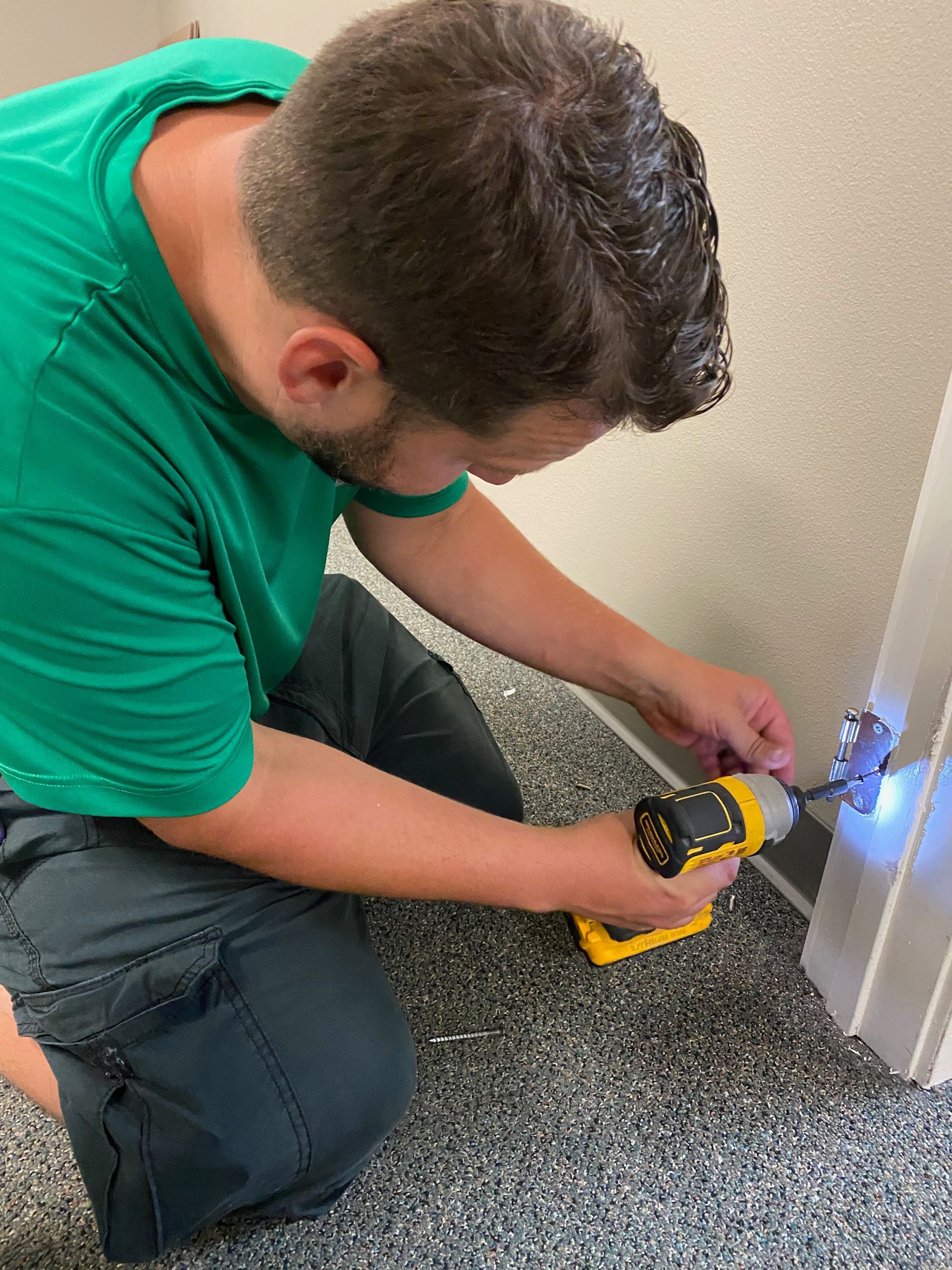
If you live in a building with tight hallways and turns, the risk rises with certain items: sectionals, king-size mattresses, and residential moving company seattle large dressers. A seasoned crew will pre-measure tight passages and sometimes remove feet or disassemble pieces to reduce profile. The safe option often takes an extra 10 minutes but prevents a door jamb repair bill. Building managers notice who brings door jamb protectors, who pads railings, and who asks permission before propping a fire door. Companies that teach those habits reduce claims for everyone.
If your building requires elevator pads or has an elevator reservation protocol, share it with your mover at booking. Good movers build your timeline around the move window, not the other way around. They also plan truck parking so the elevator does not sit idle while the crew hauls from the far end of a lot.
A quick buyer’s checklist for Marysville moves
Use this short list to keep the vetting practical and focused:
- Confirm the correct authority: UTC permit for intrastate, FMCSA authority for interstate Request a certificate of insurance showing auto, cargo, general liability, and workers’ comp Decide on valuation: released value or full value protection, with a realistic declared value Share building requirements early: COI wording, elevator reservations, move windows Align crew size and schedule with your property constraints and inventory
Five questions, five answers. If a company cannot provide them quickly, that is your signal to look elsewhere.
When to pay a little more
There are times when paying more for a mover with deeper coverage is not a luxury, it is risk management. If your building requires a specific COI and your move window is strict. If you have several high-value items that are expensive to replace. If stairs and weather combine to create slip risk. If you need short-term storage with valuation continuity. In those scenarios, the gap between a compliant mover and a casual operator is the difference between a predictable day and a claim that drags on.
The crews who do this right are not just covering themselves. They are protecting your property, their people, and the relationships that keep access open across apartments, condos, and HOAs in Marysville and beyond.
Final thoughts from the truck side
Licensed and insured is less a slogan and more a system. Licensing tells you who is allowed to move you. Insurance tells you who pays when the unexpected happens. Valuation tells you how much you can expect for your goods if they are damaged. The three together create the safety net you want when strangers carry your life’s stuff down a wet ramp.
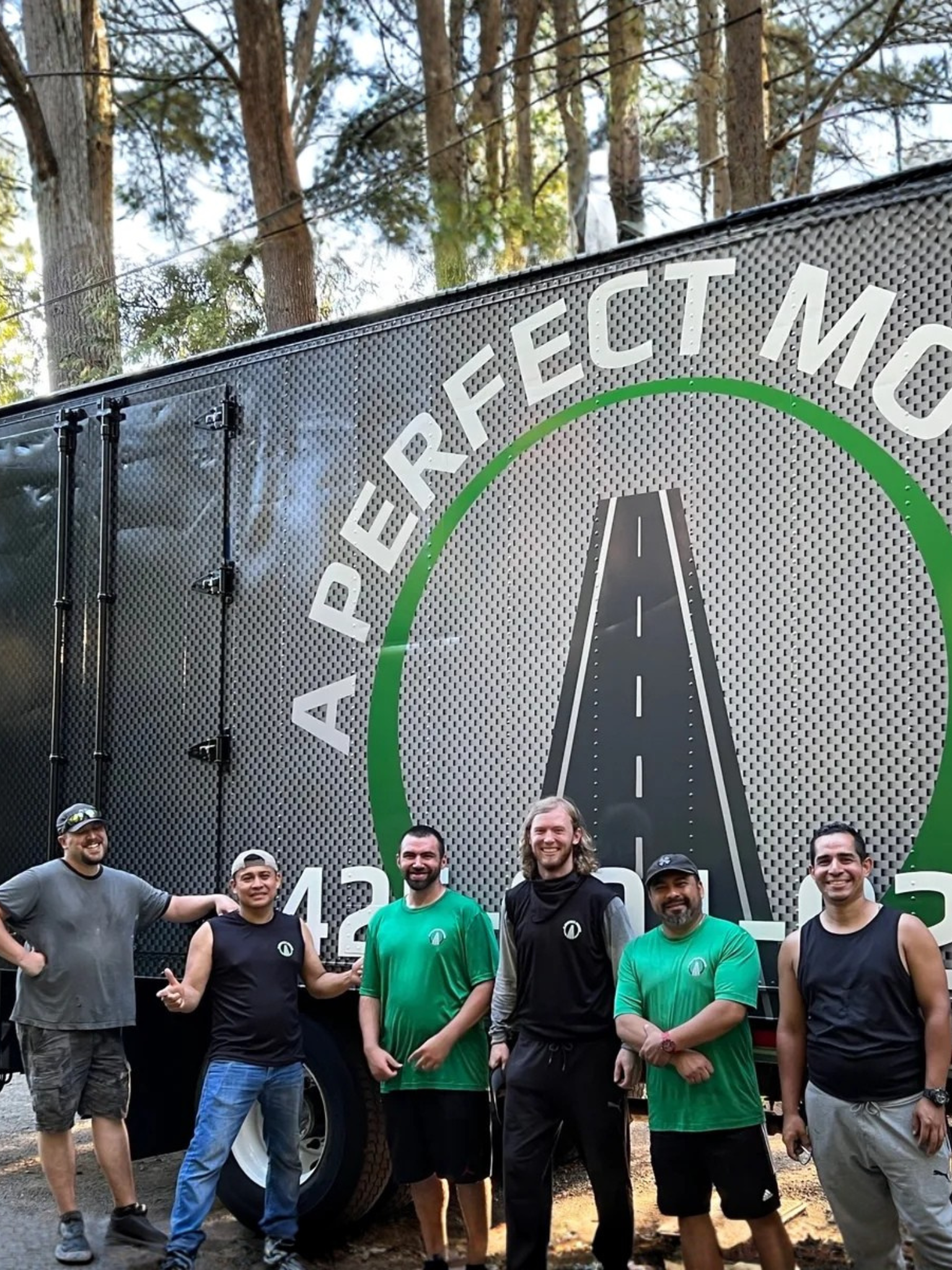
Companies like A Perfect Mover Moving and Storage Service build their day around that system. The permit sits on the truck and the office wall. The COI is ready before the elevator is reserved. The crew lead reviews valuation before the first dresser leaves the bedroom. Those are small, unglamorous moves that prevent big, expensive problems.
If you remember nothing else, remember this: verify the authority that matches your move, see the insurance that covers people and property, and choose the valuation that fits your risk tolerance. Do those three things, and licensed and insured becomes more than a sticker on a door. It becomes the quiet reason your Marysville move starts on time and ends without drama.